


Plastic surgery of the vestibule of the oral cavity
Oral vestibule plastic surgery (vestibuloplasty) in Kyiv
A beautiful smile is not only about straight teeth. It is also about the harmony of pink aesthetics, where the gums frame each tooth evenly and firmly, and the soft tissues do not pull during even the slightest movement of the lips. Unfortunately, nature is not always perfect: many patients are diagnosed with a shallow oral vestibule — a condition in which the transitional fold between the lip and the gum is positioned abnormally high, creating pathological tension. At Crystal Dent, this problem is solved with vestibuloplasty — a microsurgical procedure aimed at deepening the vestibule and redistributing the soft tissues.
We provide vestibuloplasty in Kyiv according to international standards. In our clinic, this procedure is viewed not as a routine manipulation, but as precision work involving soft tissue biomechanics. We use minimally invasive techniques, laser technologies, and binocular magnification to reduce trauma and ensure predictable aesthetic results. Our goal is to create a stable gingival biotype capable of withstanding time, braces, dental implants, and age-related changes.
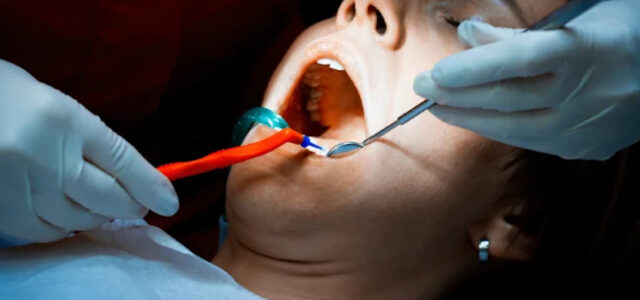
What Is vestibuloplasty?
To understand the importance of this procedure, it is necessary to understand the anatomy of the oral vestibule — the space bordered on one side by the mucous membrane of the lips and cheeks and on the other by the alveolar processes of the jaws. Normally, the depth of this vestibule ranges from 5 to 10 mm. When the depth is smaller, the soft tissues are attached too high, pulling on the marginal gum tissue every time the lips or cheeks move.
What is vestibuloplasty in dentistry? Essentially, it is the deepening and widening of this space by repositioning the attachment of muscles and mucosal tissues to a deeper, more apical location. The surgeon eliminates the pathological tension that has been pulling the gums downward for years, causing ischemia and root exposure. Gingival vestibuloplasty does not simply add millimeters — it fundamentally changes tissue trophism by restoring proper blood circulation and creating an anatomical barrier against bacterial invasion. In other words, the procedure eliminates the root cause of gum recession rather than masking its consequences.
Why is oral vestibule plastic surgery necessary?
Patients often ask why vestibuloplasty is necessary if the problem appears to be purely aesthetic. In reality, abnormal soft tissue attachment acts as a silent yet destructive trigger. Years of tension lead to irreversible bone loss and may eventually require complex bone grafting procedures.
The main clinical purposes of vestibuloplasty include:
- Eliminating chronic trauma. Pathological tension causes mechanical ischemia — reduced blood supply to the gingival margin. The tissue literally “moves away” from the traumatic factor, exposing the tooth neck and root.
- Preparation for dental implantation. This is one of the most important indications. Vestibuloplasty before implantation creates a sufficient zone of keratinized attached gingiva around the abutment. Without this biological barrier, the implant becomes vulnerable to peri-implantitis — an inflammation that rapidly destroys bone around the titanium root.
- Orthodontic treatment. Vestibuloplasty before braces acts as protection against future complications. During tooth movement, a shallow vestibule creates excessive muscular pressure, provoking thinning and fenestration of the vestibular bone plate.
- Periodontal health. A shallow vestibule creates ideal conditions for inflammatory diseases. Patients are physically unable to clean the narrow area properly, resulting in a vicious cycle of plaque accumulation, gingivitis, and tissue atrophy.
- Prosthetics. The procedure significantly increases the denture-bearing area and vestibular depth, ensuring reliable fixation of full and partial removable dentures, especially in the lower jaw.
Indications for vestibuloplasty
Patients are referred for oral vestibule plastic surgery by a general dentist, prosthodontist, or orthodontist. Indications for the procedure include:
- Shallow vestibule depth (less than 5 mm from the gingival margin is considered critical).
- Pronounced tension of the upper or lower lip frenulum extending into the interdental papilla.
- Progressive gum recession (Miller Class I, II, or III) with visible root exposure.
- Chronic catarrhal gingivitis resistant to medication and hygiene correction.
- Pathological tooth mobility caused by insufficient soft tissue support.
- Preparation for bone grafting and dental implant placement.
- Increased enamel sensitivity caused by gum recession.
- Speech and smile aesthetic disturbances.
- Prevention of bite abnormalities and dentofacial deformities in children.
Types of Vestibuloplasty
The surgical method is selected individually according to anatomical characteristics, gum volume, and the patient’s wishes. At Crystal Dent, we follow the principle of minimal invasiveness while utilizing the full range of modern surgical techniques.
Classical Surgical Vestibuloplasty
This is the traditional technique that has been used successfully for decades. It involves creating an open wound surface. The surgeon makes an incision along the transitional fold with a scalpel, elevates the mucoperiosteal flap, redistributes the submucosal layer, and repositions the muscle fibers apically. The wound heals by secondary intention. This technique is effective for deep structural abnormalities but requires a longer recovery period and strict dietary restrictions.
Laser Vestibuloplasty
Laser vestibuloplasty is now considered the gold standard in soft tissue surgery. We use a diode laser that transforms the procedure into an almost bloodless process. The laser beam simultaneously cuts the tissue, coagulates blood vessels, and sterilizes the surgical field. Laser vestibuloplasty eliminates traditional incisions and minimizes postoperative scarring and crust formation.
For patients, this means greater comfort, minimal swelling, and recovery times that are nearly twice as fast as with traditional surgery. Many patients ask about the cost of laser vestibuloplasty — it is slightly higher due to the use of advanced equipment and the increased comfort during recovery. However, the faster healing and reduced risks fully justify the investment.
Tunnel Vestibuloplasty
This minimally invasive technique is ideal for patients seeking the gentlest possible procedure. Tunnel vestibuloplasty is performed through several small punctures instead of one long incision.
The surgeon carefully separates the mucosa internally, creating a tunnel beneath the tissue and repositioning the muscle attachments deeper. The outer mucosal layer remains intact, reducing bleeding, minimizing swelling, and preventing visible scarring. Healing is faster and more comfortable compared to conventional surgery, while the risk of infection is practically eliminated.
This method is especially recommended for smokers and patients with impaired microcirculation. In most cases, the procedure requires no sutures or only a few microsurgical stitches that dissolve naturally.
Upper and lower jaw vestibuloplasty
Different anatomical structures require different surgical approaches. Vestibuloplasty of the upper jaw focuses on correcting the tension of the orbicularis oris muscle and the incisive papilla and is often combined with upper lip frenuloplasty.
Vestibuloplasty of the lower jaw is more delicate due to the proximity of the mental nerve and major blood vessels. The surgeon must deepen the vestibule without damaging the mental foramen, otherwise the patient may experience prolonged lip paresthesia.
Vestibuloplasty in children
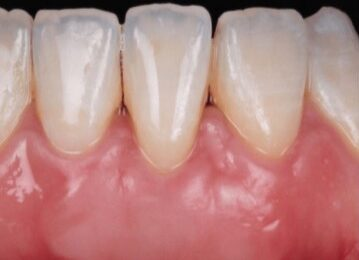
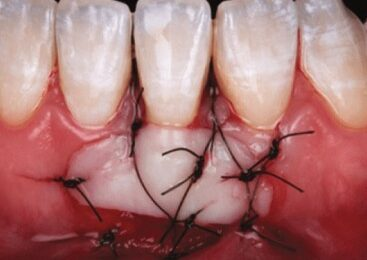
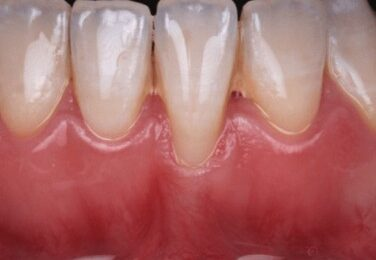
A child’s body is highly adaptable, but anatomical defects formed early in life may become the basis for serious future problems. A shallow vestibule is often associated with shortened frenula, and vestibuloplasty in children addresses both issues simultaneously. The ideal age for the procedure is determined individually by the dentist. Most commonly, it is performed at ages 5–6 for prevention of bite abnormalities, at 9–12 during mixed dentition, or at 13–15 before braces are placed.
Vestibuloplasty before braces in children is not merely an orthodontist’s preference — it is a necessity. A shallow vestibule creates excessive soft tissue resistance that interferes with proper tooth movement. Without correction, the tight mucosa may pull the incisors back into their previous position after orthodontic treatment, causing relapse. In addition, tooth movement in the presence of a shallow vestibule may lead to thinning of the bone plate. This is why shortened frenula and vestibuloplasty in children are rarely treated separately. The surgeon deepens the vestibule and corrects pathological tissue attachments simultaneously, eliminating the root cause and ensuring stable orthodontic results.
How the procedure is performed
Many patients feel anxious before seeing a surgeon, but vestibuloplasty is a relatively simple outpatient procedure that usually takes between 30 and 60 minutes. Here is how the process works step by step.
Consultation
During the first appointment, the surgeon examines the oral cavity, listens to the patient’s concerns, and determines whether correction is necessary. The doctor explains in simple terms which vestibuloplasty technique is best suited for the individual case and why.
Diagnostics
To ensure precise planning, we perform a 3D scan. It shows the condition of the bone tissue and the exact location of nerves and blood vessels. This stage is essential before any vestibuloplasty procedure because successful results begin with accurate diagnostics.
Anesthesia
We use modern anesthetic agents that completely eliminate sensitivity in the treatment area. Patients feel no pain — only slight pressure or touch. The anesthesia lasts several hours, making the entire procedure comfortable.
Vestibule formation
This is the key stage of vestibuloplasty. The surgeon carefully repositions the soft tissues deeper, eliminating the tension that was damaging the gums. If a laser is used, the incision is extremely thin and nearly bloodless. With the tunnel technique, access is created through tiny punctures, minimizing tissue trauma.
Suturing
In traditional surgery, thin self-dissolving sutures are placed and do not need removal. If laser or tunnel techniques are used, the wound may simply be covered with a protective gel, allowing even faster healing.
Postoperative recommendations
Immediately after the procedure, patients receive detailed aftercare instructions. The doctor explains what foods are allowed during the first days, how to rinse the mouth, and when normal brushing can resume. Strict adherence to these recommendations ensures rapid recovery and long-lasting results.
Recovery and healing
One of the most common questions is: how long does vestibuloplasty take to heal, and when can normal activities resume?
Initial epithelial healing usually occurs within 7–10 days. During this period, new granulation tissue forms. Complete tissue maturation and stabilization of the new vestibule shape take approximately 3–4 weeks.
Successful recovery depends on proper postoperative care. Patients should avoid hard, spicy, and hot foods, refrain from brushing the surgical area directly, use chlorhexidine mouth rinses, and avoid physical exertion during the first week. Mild swelling during the first 2–3 days is completely normal.
Healing after laser vestibuloplasty is typically faster and significantly more comfortable.
Vestibuloplasty before and after
The results of vestibuloplasty are noticeable almost immediately. Tension of the mucosa disappears, the gums become firmer and healthier in appearance, and bleeding is reduced. Exposed tooth necks become covered by soft tissues, and sensitivity to hot and cold decreases.
Removable dentures become more stable, improving comfort while speaking and eating. Since the muscles no longer pull the gums downward, bone loss slows significantly, and orthodontic treatment results remain stable for many years.
Before-and-after vestibuloplasty photos clearly demonstrate the healing process and final results better than words alone.
Cost of vestibuloplasty in Kyiv
The cost of vestibuloplasty cannot be fixed because every case is unique. The final price depends on several factors:
- The extent of surgery — one jaw or both, localized correction or complete vestibular reconstruction.
- The chosen technique — classical, laser, or tunnel methods require different equipment and treatment time.
- Laser usage — diode laser treatment increases the cost but improves comfort and accelerates healing.
- Number of treatment zones — correction near several teeth or along a larger jaw segment.
- Additional soft tissue procedures — combined frenuloplasty or mucosal grafting increase complexity.
The exact price of oral vestibule plastic surgery is determined during an in-person consultation after examination by the surgeon. If you would like to know how much vestibuloplasty costs, schedule an appointment at Crystal Dent. We provide transparent treatment plans with no hidden fees.
Why patients choose Crystal Dent
Our main advantages include:
- Experienced surgeons who regularly train in leading European clinics and specialize in microsurgical techniques.
- Advanced laser technologies ensuring bloodless surgery, sterility, and rapid healing.
- Minimally invasive techniques such as tunnel surgery and laser correction that minimize tissue trauma.
- Treatment for both adults and children of all ages.
- 3D diagnostics providing detailed anatomical visualization and minimizing risks.
- Individualized treatment plans tailored specifically to each patient.
- Comfortable treatment conditions in Kyiv with modern facilities and minimal discomfort at every stage.
If you need oral vestibule plastic surgery or vestibuloplasty in Kyiv, contact Crystal Dent. Our specialists will select the most modern and gentle treatment method for both adults and children. Schedule your consultation today and receive professional care in a comfortable environment.
FAQ
What is vestibuloplasty?
Why is vestibuloplasty necessary?
Is vestibuloplasty painful?
How long does vestibuloplasty take to heal?
Can vestibuloplasty be performed with a laser?
Is vestibuloplasty performed on children?
How much does vestibuloplasty cost in Kyiv?
Not sure which option to choose? We’ll help you find the right service!

Fill out the form and we will contact you within 10 minutes during business hours