


Treatment of tooth sensitivity
A sharp, piercing pain from a sip of cold water or a bite of a sour apple is, unfortunately, familiar to many people. In dentistry, this condition is called dentin hypersensitivity. It is not just discomfort — it is a signal that the natural protective mechanisms of your teeth have been compromised.
Ignoring this pain and simply giving up your favorite foods or drinks is the wrong approach. Over time, the problem will not disappear on its own. Instead, it may worsen and lead to more serious dental conditions. At Crystal Dent, we believe that high-quality treatment of tooth sensitivity in Kyiv should begin with identifying and eliminating the true cause of the problem rather than temporarily masking the symptoms.
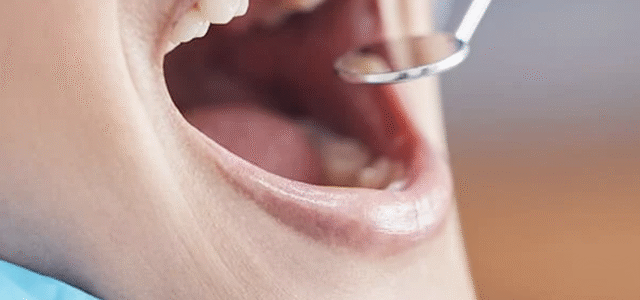
What is tooth sensitivity?
Tooth sensitivity occurs when dentin — the porous inner layer beneath the enamel — becomes exposed. Dentin contains microscopic tubules filled with fluid. When a thermal or chemical stimulus reaches the tooth, the fluid inside these tubules moves and irritates the nerve endings in the pulp. The brain instantly interprets this signal as a sharp pain. The sensation usually lasts only a few seconds and disappears as soon as the stimulus is removed.
This is the key difference between hypersensitivity and pulpitis, where the pain is often prolonged, throbbing, and unrelated to external triggers. That is why treating tooth sensitivity requires a completely different approach than treating cavities. The goal is not drilling, but strengthening and sealing the exposed dentinal tubules. The success of enamel sensitivity treatment depends directly on choosing the correct treatment strategy.
Causes of increased tooth sensitivity
The mechanism of pain is always the same, but the reasons for dentin exposure can vary greatly. Identifying the root cause accounts for most of the treatment success. Based on years of clinical experience, we have identified the most common factors explaining why the causes and treatment of tooth sensitivity are always closely connected.
Enamel wear and damage
This is often the result of excessive use of whitening toothpastes with high abrasiveness, habits such as chewing seeds or ice, or teeth grinding during sleep (bruxism).
Gum recession
Simply put, this is the lowering of the gum line. The tooth root is not covered with enamel but only with a thin layer of cementum, which is highly vulnerable to external influences. Once the tooth neck becomes exposed, pain appears.
Wedge-shaped defects
These are notches that form near the gum line, often caused by improper brushing techniques with a hard-bristled toothbrush. Horizontal brushing movements literally wear away tooth structure over time.
Dental diseases
Even minor cavities near the gum line or beneath fillings destroy enamel and expose dentin. Cracks in the enamel — even microscopic ones — create a direct pathway for irritants.
Consequences of dental procedures
Professional dental cleaning, especially ultrasonic scaling, or improper at-home whitening without professional supervision may temporarily increase tooth sensitivity.
Periodontal problems
In many cases, treatment of bleeding gums and sensitive teeth requires a comprehensive approach. Inflamed and weakened gums can no longer fit tightly around the teeth, exposing root surfaces and creating discomfort.
When should you visit a dentist?
Many people get used to tolerating sensitivity and simply adjust their diet. However, even the first sudden “shooting” pain is a serious reason to schedule a dental appointment. Do not wait until the pain becomes unbearable.
You should visit a dentist if you experience:
- Sharp but short-lasting pain when breathing cold air, rinsing your mouth, or eating.
- Pronounced discomfort during brushing, as if the bristles are scraping exposed tissue.
- Pain triggered by sweet or acidic foods and drinks.
- Visible exposure of tooth roots or necks.
- Persistent gum inflammation and bleeding.
- Sudden or increased sensitivity after whitening procedures or professional cleaning.
Diagnosis of tooth sensitivity at Crystal Dent
The key principle of our approach is simple: we do not treat symptoms — we identify and eliminate the root cause. That is why tooth sensitivity treatment at Crystal Dent is a thorough, step-by-step process that always begins with precise diagnostics.
The dentist does not simply examine your teeth. We ask detailed questions about your lifestyle, oral hygiene habits, and diet.
We use dental probes and directed air streams to identify the exact location of sensitivity. We also assess periodontal pocket depth and check for hidden cavities. Bite alignment and signs of overload-related damage are carefully evaluated. If visual examination is insufficient, we use targeted X-rays or CT imaging to rule out root fractures or hidden inflammatory processes.
Methods of treating tooth sensitivity
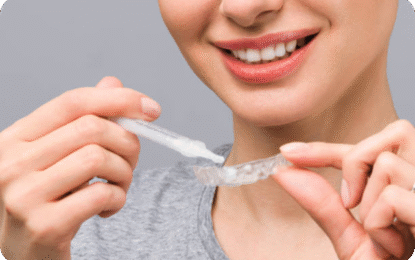
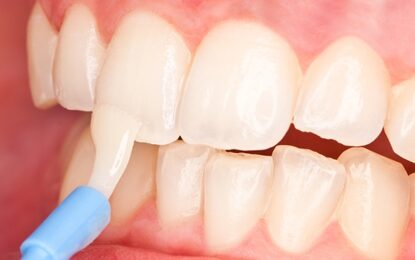
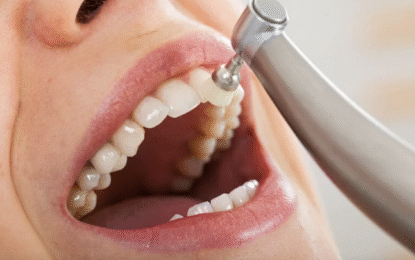
Treatment methods are selected individually according to the specific clinical situation.
Remineralization therapy
This is the foundation of treatment. Highly concentrated calcium- and phosphate-based compounds are applied to the teeth. These substances “repair” microscopic defects in the enamel and seal exposed dentinal tubules. A course of remineralization therapy significantly reduces sensitivity.
Fluoride treatment
The next stage of protection involves applying fluoride-containing varnishes or gels after remineralization. This creates a durable protective layer on the enamel surface, making teeth less vulnerable to acids and temperature changes.
Treatment of wedge-shaped defects
If the defect is already pronounced and remineralization alone is insufficient, we perform minimally invasive restorations. Special composite materials are used that require minimal tooth preparation while restoring the tooth’s natural shape and color.
Cavity treatment
If tooth sensitivity is caused by decay, we carefully remove the affected tissue and place a restoration, rebuilding the protective barrier of enamel and dentin.
Gum treatment
In cases of periodontitis or severe gum recession, periodontal therapy is essential. We remove subgingival deposits, eliminate inflammation, and in advanced cases may recommend surgical coverage of exposed roots. Only after treating the gum disease can the resulting pain be eliminated.
Personalized home care
This is one of the most important stages for achieving long-term results. This is precisely the key link: tooth sensitivity – treatment and prevention. The dentist individually selects a low-abrasive toothpaste (RDA 30–40), teaches proper brushing techniques using a soft toothbrush, and may recommend an oral irrigator with a gum massage mode. Without proper home care, the effects of professional treatment will not last long.
Treatment of tooth sensitivity in children
Children’s enamel is thinner and more vulnerable than that of adults. Complaints about pain from ice cream or sour juice should never be ignored. Causes may include enamel development disorders (hypoplasia), early-stage cavities, or crowded teeth that are difficult to clean properly. At Crystal Dent, treatment of tooth sensitivity in children is performed as gently as possible. We use safe remineralizing agents, teach proper oral hygiene, and create a calm and friendly atmosphere so that young patients feel comfortable and unafraid.
Prevention of tooth sensitivity
The best treatment is preventing recurrence. Follow these recommendations to avoid sudden painful sensitivity:
- Replace hard toothbrushes with soft-bristled ones and brush using gentle sweeping motions from the gums toward the edge of the tooth instead of aggressive horizontal movements.
- Do not skip professional dental cleanings every six months, but always inform your hygienist about your sensitivity.
- Treat even the smallest cavities immediately before they expose dentin.
- Monitor the condition of your gums carefully. Bleeding gums are never normal.
- Never whiten your teeth without professional supervision.
Cost of tooth sensitivity treatment in Kyiv
It is impossible to quote a standard price without seeing the clinical picture. Treatment for tooth sensitivity in Kyiv is a service with a wide range of costs, and we are often asked about this. The price depends on many factors: whether fluoride treatment is needed for a single area or all teeth, whether there is a need to fill wedge-shaped defects or treat deep caries, and whether gum therapy is required. During the consultation, the dentist draws up a clear plan with a final estimate, detailing each procedure. You will know exactly what you are paying for and how much it will cost.
Why patients choose Crystal Dent
There are hundreds of dental clinics in Kyiv, but patients trust us with their health and comfort for specific reasons. We never use a one-size-fits-all approach. Behind every case, we see a person with unique habits, concerns, and needs. Our dentists are not only certified specialists but also experienced clinicians who continuously improve their skills through advanced training and education.
Patients frequently leave positive reviews about tooth sensitivity treatment at Crystal Dent, emphasizing our gentle approach and long-lasting results. We use magnification and precise diagnostics to identify even the smallest cracks and hidden issues. Our treatment combines minimally invasive protocols, microscopic precision, and a deep understanding of dental biomechanics. We provide equally attentive care to both adults and children, helping them enjoy their favorite foods and drinks again without pain.
If you experience pain from cold, hot, sweet, or acidic foods, do not postpone your dental visit. At Crystal Dent in Kyiv, we will identify the cause of your tooth sensitivity and select the most effective treatment. Restore your comfort and enjoy eating and drinking without pain again. Simply click the “Book an Appointment” button — we will take care of the rest.
FAQ
What causes tooth sensitivity?
How is tooth sensitivity treated in dentistry?
Can tooth sensitivity be cured completely?
Why do bleeding gums and tooth sensitivity occur together?
How much does tooth sensitivity treatment cost in Kyiv?
Can children experience tooth sensitivity?
How can tooth sensitivity be prevented?
Not sure which option to choose? We’ll help you find the right service!

Fill out the form and we will contact you within 10 minutes during business hours